What a Slab Leak Is, and How Rare It Is Here
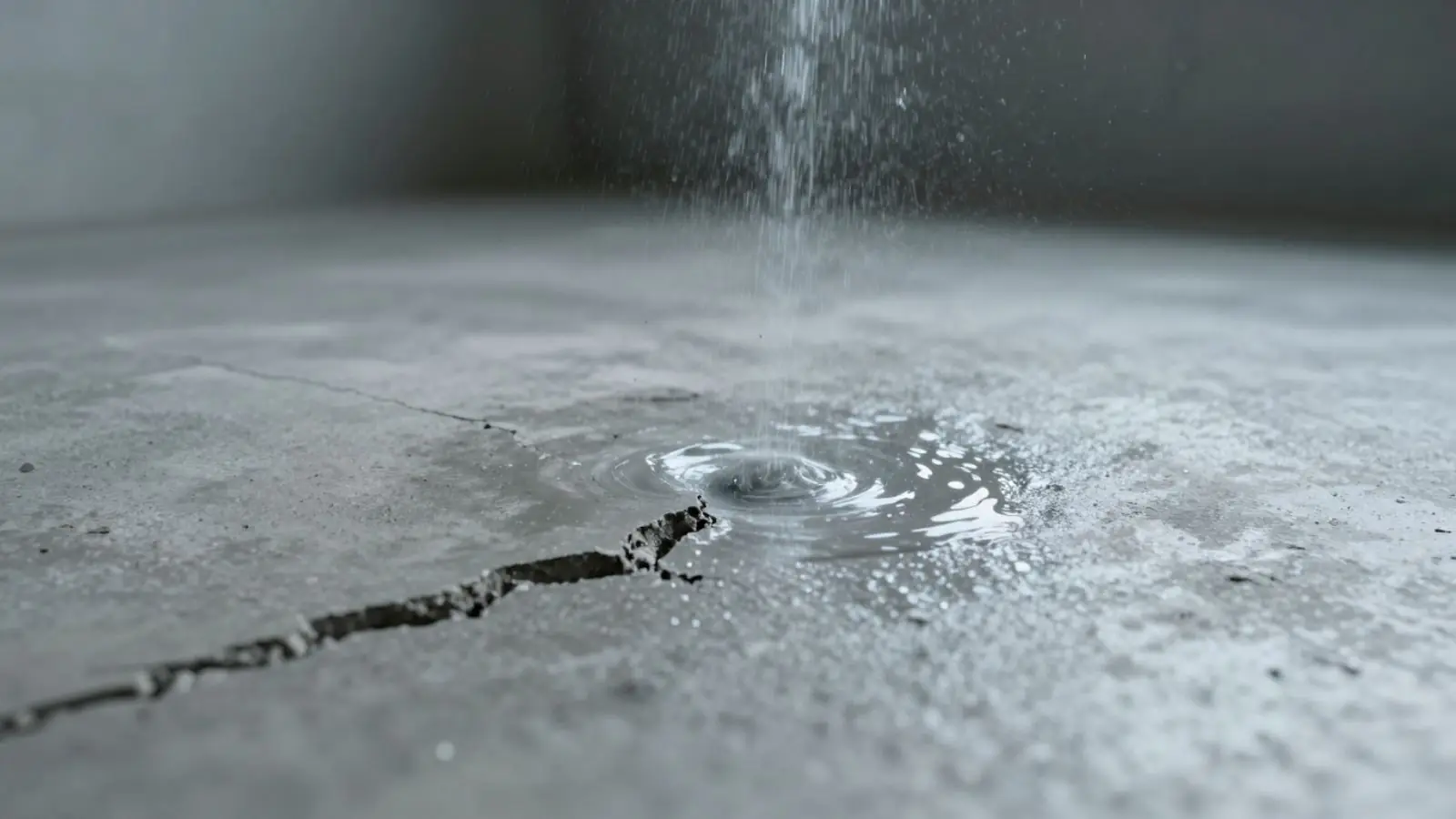
Slab leak water damage starts with a leak in a supply, drain or heating line that runs under or inside a concrete floor slab. The water has nowhere to go but up through cracks and joints, or sideways into walls and flooring. It is the kind of leak you often hear or feel before you see.
Here is the honest local picture. Many older Hyattsville houses sit over basements or crawl spaces, so their pipes run through floor joists where leaks tend to show up as stains. That makes slab leaks less common here than in regions where slab-on-grade houses are the norm. No agency we could find publishes a local count, so this page does not quote one.
The call still happens. If you are reading this because your floor is warm, wet or noisy, the sections below cover the real local cases and the first hour. The (301) 936-0619 line runs 24/7, and same-day response is offered when available.
Where Slabs Do Show Up in Hyattsville
Three situations account for the slab leaks that homeowners and renters here are likely to meet. The first is an addition. A sunroom, rear family room or garage conversion added to an older house is often poured on a slab, even when the original house has a basement.
The second is a lower level. Drain lines from a basement bath, laundry or floor drain run under the basement slab, and a separated joint there can leak for months. The third is a ground-floor apartment in a slab-on-grade building. The Census Bureau's QuickFacts puts Hyattsville's owner-occupied rate at 48.4 percent, so about half of households rent, and a renter with a wet floor should tell the landlord in writing the same day.
Age adds risk in every case. The National Register entry says Hyattsville developed mostly after the 1870s, and the city counts nearly 1,000 buildings in its Historic District. Older buildings tend to have older supply lines and drains, and under a slab you cannot inspect them.
Signs the Water Is Under the Floor
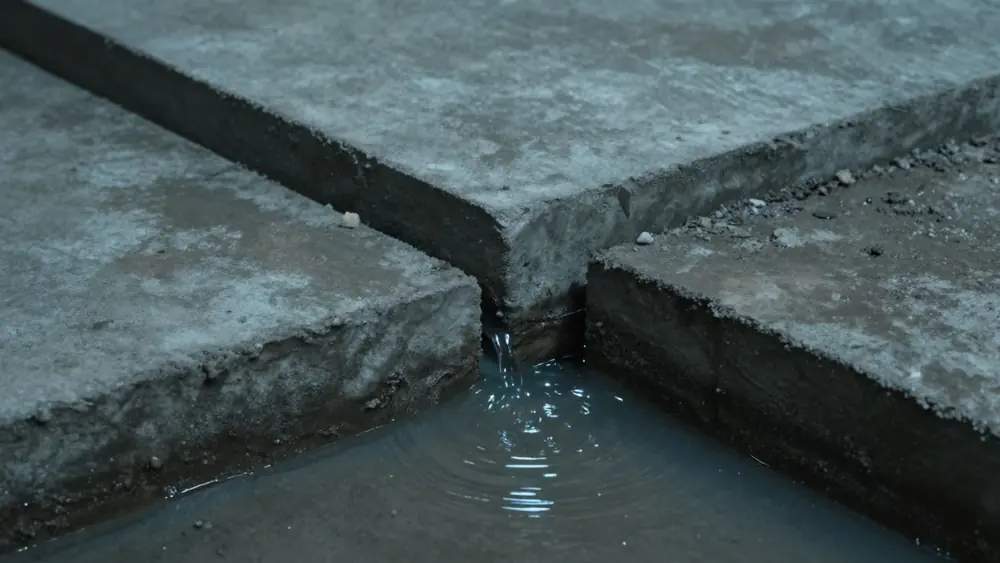
Slab leaks hide, so the clues are indirect. Check this list before you decide how urgent the call is.
| What you notice | What it may mean | Next move |
|---|---|---|
| A warm or hot spot on the floor | A hot water line leaking under the slab | Keep children and pets off the spot and shut the water heater supply if you can reach it |
| Running-water sound with every fixture off | A pressurized supply line is leaking | Close the main valve and listen again |
| Water meter keeps moving with all fixtures off | A leak somewhere after the meter | Photograph the meter, shut the main, call a plumber |
| Damp carpet, lifting laminate or tile grout that stays wet | Water coming up through the slab | Call the line so crews can map the moisture |
| Musty smell, wet baseboards, low water pressure | Slow leak, wall wicking, or a drain issue | Call a plumber, then the line for drying |
A sudden jump in the water bill is another clue, but a bill alone cannot tell you where the water is going.
First Safety Steps While the Leak Is Active
Water, heat and power can share a slab
Shut the main water valve first. It is often near the water heater or where the supply enters the house. Then look for the cause of any warm spot, because hot water can scald and a heated slab can mean a hot line has failed.
- If water reaches outlets, appliances or the panel, stay out of the room and call 911 and your electric utility before the line. Cut power only if the panel is dry and safe to reach.
- If you smell gas, leave the building and call 911 and Washington Gas from outside. The leak line is 844-WASHGAS, option 1.
- If the water smells like sewage or came up through a floor drain, keep people away and call WSSC Water at 301-206-4002.
- Do not chip or drill into the slab to look for the pipe. Gas, electrical and water lines can share the same floor.
Warm or wet floor and no clear source?
Call the 24/7 line at (301) 936-0619 and describe what you see, hear or feel under your floor.
Who Finds the Leak and Who Dries the Floor
A restoration crew does not find or fix the leaking pipe. A licensed plumber does that, often with acoustic listening gear, pressure tests and thermal tools. Some plumbers spot-repair through the slab, some reroute the line through walls or the attic, and drain lines can sometimes be lined in place.
Local rules matter here. WSSC Water's website says it is the inspection agency for plumbing and gas work in Prince George's and Montgomery counties, and that interior re-pipes must be done by a WSSC licensee. Ask any plumber about permits and inspection before work starts.
Responsibility follows the pipe. WSSC says the homeowner maintains the line from the property line to the building, so an underground supply or sewer leak on that stretch is usually yours. Our job starts with the wet building materials, and it runs alongside the plumber's work, not instead of it.
How the Water Damage Gets Dried
- 1
Map the moisture
Crews use moisture meters and a thermal imaging camera to trace how far water has traveled across the floor and up the walls.
- 2
Remove what traps water
Wet carpet, pad and some floating floors are lifted so the slab can release moisture. Wet drywall at the base of walls is cut back if it will not dry.
- 3
Dry the slab and the room
Air movers, LGR dehumidifiers and floor drying mats pull moisture from concrete and air. Concrete holds water longer than wood, so slab drying can take days.
- 4
Recheck after the repair
Readings are taken daily. The leak must be confirmed fixed, or the slab keeps getting wet and the readings stall.
What Changes the Size of a Slab Leak Job
One room, caught early
Scope: one roomA slow leak found within days, with flooring lifted and one room dried.
Several rooms, finished floors
Scope: one levelTile, laminate or carpet across a living area, plus wet baseboards and wall bases.
Leak ran for weeks
Scope: long dryingA saturated slab and soil beneath it take longer to dry. Readings decide when to stop.
Apartment with a shared wall or floor
Scope: more than one unitNeighboring units, landlord duties and access add coordination and time.
Water category, affected area, flooring type, drying days and rebuild scope set the final price, and it is explained before work starts.
Does Insurance Cover a Slab Leak?
Sudden versus gradual
The Maryland Insurance Administration says most homeowners policies will not cover damage that results from a slow leak, and many will not pay to repair or replace the pipe or drain itself. A sudden break is treated differently from a leak that went on for months.
Renters policies generally cover your belongings, not the building, per the same agency. Read the water damage and plumbing sections of your policy, photograph everything, and ask your insurer how it treats a leak found under a slab. Never assume a claim will be approved.
Mistakes That Make a Slab Leak Worse
- Waiting on a warm floor. A hot line leaking under a slab keeps wetting the concrete and the soil underneath.
- Treating a damp floor as a spill. If the floor stays wet after you dry it, the source is still running.
- Closing in the floor before readings are dry. New flooring over a wet slab traps moisture, and the water damage repair stage should wait until the slab reads dry.
- Skipping the drying plan after the plumber leaves. The pipe is fixed, but the slab, wall bases and trim still hold water.
- Calling the line first when the real danger is gas or power. Call 911 first for either.
Dry Standards and Related Pages
Drying goals come from published standards. ANSI/IICRC S500 is the standard for professional water damage restoration, and you can ask any company whether its crews work to it. The EPA advises drying water-damaged areas within 24 to 48 hours to prevent mold growth, which is hard to meet with concrete, so speed of the first call matters.
The equipment and monitoring are covered on the structural drying page. Homes with crawl spaces have a different water pattern, covered on the crawl space water damage page. Once the pipe is repaired, water mitigation steps finish the job, and crews serve nearby towns such as Riverdale Park and Brentwood.
Slab leak questions from Hyattsville homeowners and renters
Yes. The line at (301) 936-0619 is staffed 24/7, including nights and weekends. Same-day response is offered when available, and no arrival time is promised on the call.
The dispatcher will tell you how to shut off the water and stay safe while you wait.
Less common than in areas where most houses sit on slabs. Many older Hyattsville houses have basements or crawl spaces, and their pipes are easier to see. We found no published local count, so we will not give you a number.
No. A licensed plumber finds and repairs the pipe. Our crews handle the water damage: moisture mapping, removing wet materials and drying. WSSC Water inspects plumbing work in Prince George's County, so ask your plumber about permits.
Close the fixture valve if you can, take photos and tell your landlord in writing the same day. Call the line if the floor is wet. Landlord and tenant duties vary by lease, so read yours. A renters policy usually covers your belongings, not the building.
Concrete releases water slowly, so expect days, not hours. Daily moisture readings decide when drying is done. A leak that ran for weeks takes longer than one caught early.
Often carpet pad and floating floors do, since they trap water against the slab. Tile can sometimes stay if the grout and setting bed dry. The crew checks readings before anything is removed.