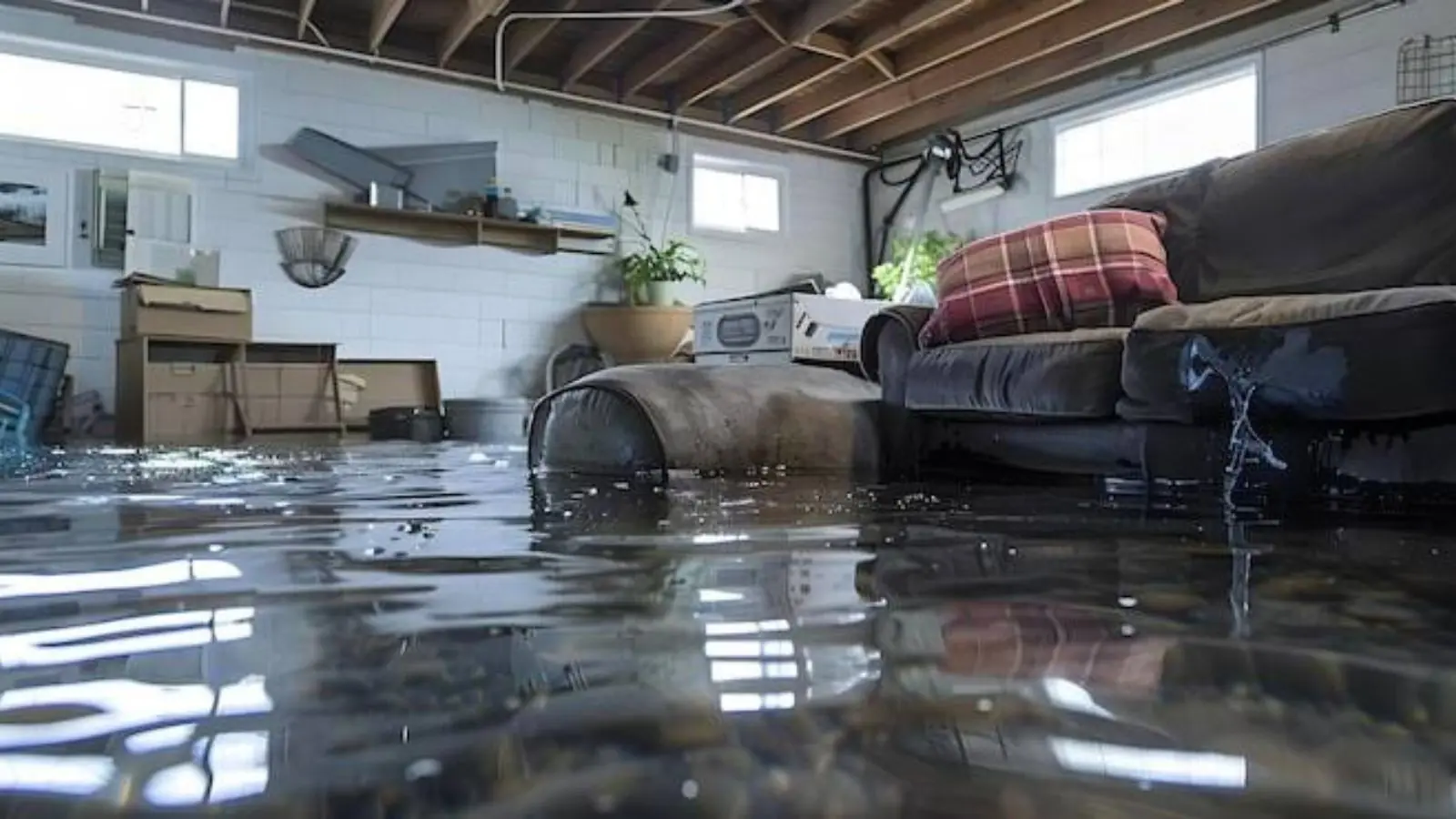
First Steps When Floodwater Enters Your Hyattsville Home
Floodwater in the house is an emergency, and the (301) 936-0619 line answers 24/7. Flood damage restoration is the extraction, cleaning, drying and rebuild work after storm runoff, a swollen creek or groundwater gets into a building. Crews respond the same day when available, including nights and weekends.
While you wait, get everyone out of the water and keep children and pets away from it. Stop any water you control, such as a running fixture, and shut the main water valve if a supply line is involved. Lift valuables and papers to a higher shelf or floor.
Turn off power to wet areas only if the panel is dry and safe to reach. If water is at outlet height, stay out and call 911 and your electric utility first.
Raw Sewage Coming Up the Floor Drain or Toilet
If sewage is rising in a basement floor drain or backing up a toilet, stop using the plumbing and stay out of the wet area. This water is grossly contaminated, and cleaning it up is flood damage restoration work, not a mop-and-bucket job. Call the line, then read the sewage section below to see who handles the sewer pipe itself.
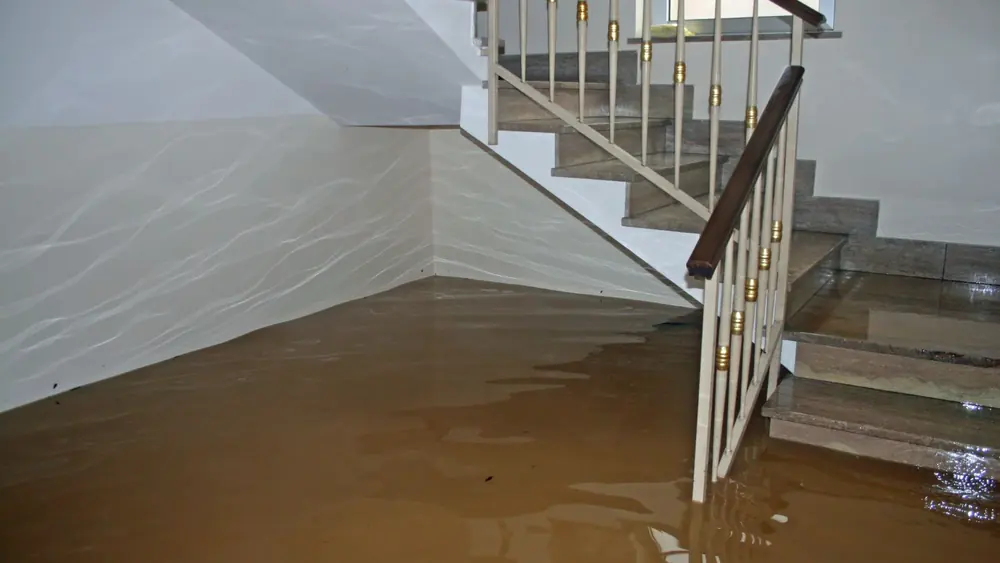
Stay Out: Electric, Gas and Contaminated Water
Do this before anything else
Water around an electrical panel, outlets or plugged-in appliances is a shock hazard. Stay out, cut power only if the panel is dry and you can reach it without stepping in water, and call 911 and your electric utility before you call the line.
- If you smell gas, leave the building and call 911 and Washington Gas (844-WASHGAS, option 1) from outside.
- The CDC says floodwater can contain dangerous bacteria from overflowing sewage. Do not wade through it, and keep children and pets out.
- The CDC also warns never to use bleach in a closed space.
Basement Flooding Cleanup
Most flooding in a Hyattsville home ends up in the basement or the lowest level, because that is where runoff and groundwater settle. Water that came in from outside is usually Category 2 or 3 under the ANSI/IICRC S500 water damage standard. Carpet, pad and the lower part of drywall are often removed instead of dried.
The work runs in order. Pumps take the standing water out, extraction units pull the rest from floors and low spots, and crews cut out wet porous materials. Air movers and LGR dehumidifiers then dry the slab and framing, and moisture meters confirm the readings before walls close. The pumping stage matches emergency water removal, with added cleaning for contaminated water.
Check what sits low in the room. Water heaters, furnaces and panels in a flooded basement should be inspected by a qualified technician before they run again. The city's resident brochure says sump pump discharge must not go onto a neighboring property or over the public right of way.
Sewage Backup Cleanup
A sewage backup is Category 3 water. Cleanup means removing contaminated porous materials, cleaning hard surfaces with detergent and water, and drying the structure.
Who is responsible for the sewer line depends. WSSC Water says the homeowner maintains the line from the property line to the building, and WSSC maintains its main. WSSC tells customers to call a WSSC-registered plumber first. If the blockage is in WSSC's section, WSSC clears it at no charge, but the homeowner pays the plumber first.
WSSC's 24-hour emergency line, 301-206-4002, takes reports of a sewer backup into the home. WSSC also has a claims office that handles possible reimbursement for property damage. Only a registered WSSC master plumber may dig or repair underground sewer pipes, with a WSSC permit and inspection.
Plumber and WSSC deal with the pipe, and the restoration line deals with the mess. Until crews have cleaned the room, do not run sinks, showers or washers that drain to the same line.
Flooding right now?
Call the 24/7 line at (301) 936-0619 and tell the dispatcher what is flooding and how deep the water is.
Floodwater Sources and What Happens to Materials
| Water source | Category | Typical handling |
|---|---|---|
| Storm runoff through a window well or door | Category 2 or 3 | Carpet and pad removed, wet drywall cut, hard floors cleaned and dried |
| Groundwater seeping through the slab or walls | Category 2 or 3 | Extraction, removal of low porous materials, long drying with dehumidifiers |
| Creek or river overflow | Category 3 | Porous materials removed, framing cleaned, drying and rebuild |
| Sewer backup through a floor drain | Category 3 | Porous materials removed, hard surfaces cleaned, drying, then rebuild |
Category 1 is a clean source, Category 2 is significantly contaminated, and Category 3 is grossly contaminated, as with sewage or floodwater.
What the City's Own Records Say About Flooding
The city's Lower Ward 1 Resilient Stormwater Systems Study, run from 2018 to 2020, set out to find improvements to manage flood risks. It says 41st Street experiences standing water during and after intense rain. A basement near a low street or a clogged inlet can take on water in a downpour even when no river overflows.
The study calibrated its model with two storms: August 2014, with 2.96 inches over about 5.5 hours, and July 2017, with 4.21 inches over about 15 hours. It also says much of the storm drain system dates from 1960 to 1990.
The study notes a Hyattsville-Riverdale levee system that protects some areas from the 100-year flood, so neighbors in Riverdale Park share part of that setting. Drains and sewers can still back up behind a levee.
The county's flood history page lists June 1972 Tropical Storm Agnes as the county's storm of record, with the Green Meadows subdivision in Hyattsville among the hardest hit. It also lists Hurricane Isabel in September 2003, with localized flooding. To see if your address is in a mapped flood zone, search it at msc.fema.gov.
What Restoration Does and Does Not Do
Two honest limits
Restoration is not waterproofing. Crews remove water and damaged materials and dry the structure, but they do not seal a foundation or fix grading, drains or a failed sump pump. If water keeps coming in, the cause needs its own repair.
Crawl space and whole-house flooding is handled here too. The same extraction and drying steps apply, adjusted for access and for the number of rooms involved.
From Extraction to Rebuild
- 1
Extract and assess
Pumps and extraction units remove standing water. Moisture meters and thermal imaging cameras map what is still wet.
- 2
Remove and clean
Wet porous materials come out, and hard surfaces are cleaned. Once the structure is dry, water damage cleanup covers contents, surfaces and finishing.
- 3
Dry and verify
Air movers and dehumidifiers run until readings reach dry standards. The EPA advises drying water-damaged areas within 24 to 48 hours to prevent mold growth, and if mold is already present, mold remediation is a separate job.
- 4
Rebuild
Drywall, flooring and trim are replaced. Permit rules vary by the work, so ask Prince George's DPIE or the city before rebuilding walls, electrical or plumbing.
What Drives the Size of a Flood Job
Shallow water, one room
Scope: one roomA few inches of water in one finished room, caught early.
Basement with several inches of runoff
Scope: one lower levelExtraction, removal of carpet and pad, and drying of the slab.
Full basement, Category 3
Scope: whole lower levelContaminated water that soaked drywall, framing and belongings.
Sewage into a finished basement
Scope: contaminated and finishedMore removal, more cleaning steps and a bigger rebuild.
Whole-house or multi-floor flooding
Scope: whole buildingWater that rose past the lower level or traveled through walls.
Water category, affected area, materials, drying days and equipment, and rebuild scope set the price. It is explained before work starts.
Flood Insurance and Sewer Backup Coverage
General guidance, not a coverage decision
The Maryland Insurance Administration says most homeowners policies do not cover flooding. Flood coverage is a separate policy, and FEMA says an NFIP flood policy generally has a 30-day waiting period before it takes effect.
Sewer or water backup is usually an optional endorsement that insurers must offer. Many policies will not cover the cost to repair or replace the pipe or drain itself. Check your policy and ask your insurer what applies, and take dated photos before cleanup starts.
Flood and sewage questions from Hyattsville homeowners
Yes. The line at (301) 936-0619 is staffed 24/7, including nights, weekends and holidays, and same-day response is offered when available.
Dispatch depends on crew location and storm volume, so no arrival time is promised on the call. The dispatcher will tell you what to do while you wait.
Stay out of the wet area and stop using sinks, toilets and washers. Call WSSC at 301-206-4002 and a WSSC-registered plumber, then call the restoration line for the cleanup.
Usually not for flooding. The Maryland Insurance Administration says most homeowners policies do not cover it. Sewer backup may be covered if you added the endorsement.
Read your policy and ask your insurer before assuming. A policy for your belongings only, such as renters coverage, does not cover the building.
Yes. Crawl space and whole-house flooding both get the same extraction, removal and drying steps, adjusted for access and the number of rooms.
No. Restoration cleans and dries what the water damaged. It is not waterproofing, and it does not fix drainage, grading or a failed sump pump.
If the water keeps returning, ask a drainage or waterproofing contractor about the cause after your home is dry.
The price depends on the water category, the area affected, the materials involved, equipment and drying days, and how much has to be rebuilt. Sewage in a finished basement is a larger job than a few inches of clean water in one room.
Scope and price are explained before work starts.