What Storm Water Damage Means in Hyattsville
Storm water damage is water that enters a home during a storm through windows, doors, walls, gutters or yard drainage, rather than rising from a river or through the roof. It covers wind-driven rain pushed into small gaps and downspouts that dump water against a foundation.
If water is inside now, call (301) 936-0619. The line runs 24/7, and crews respond the same day when available. Stay clear of wet electrical outlets, and move anything valuable up off the floor.
Two other pages handle neighboring problems. Water coming through the shingles belongs to roof leak water damage, and rising water from a creek or sewer belongs to flood damage restoration.
Signs Water Came In Sideways
Wind pushes rain horizontally, so water finds places a gentle shower never reaches. Look for wet trim under windows, a damp patch low on one wall facing the weather, bubbled paint around a door and a musty smell in a room that was dry yesterday.
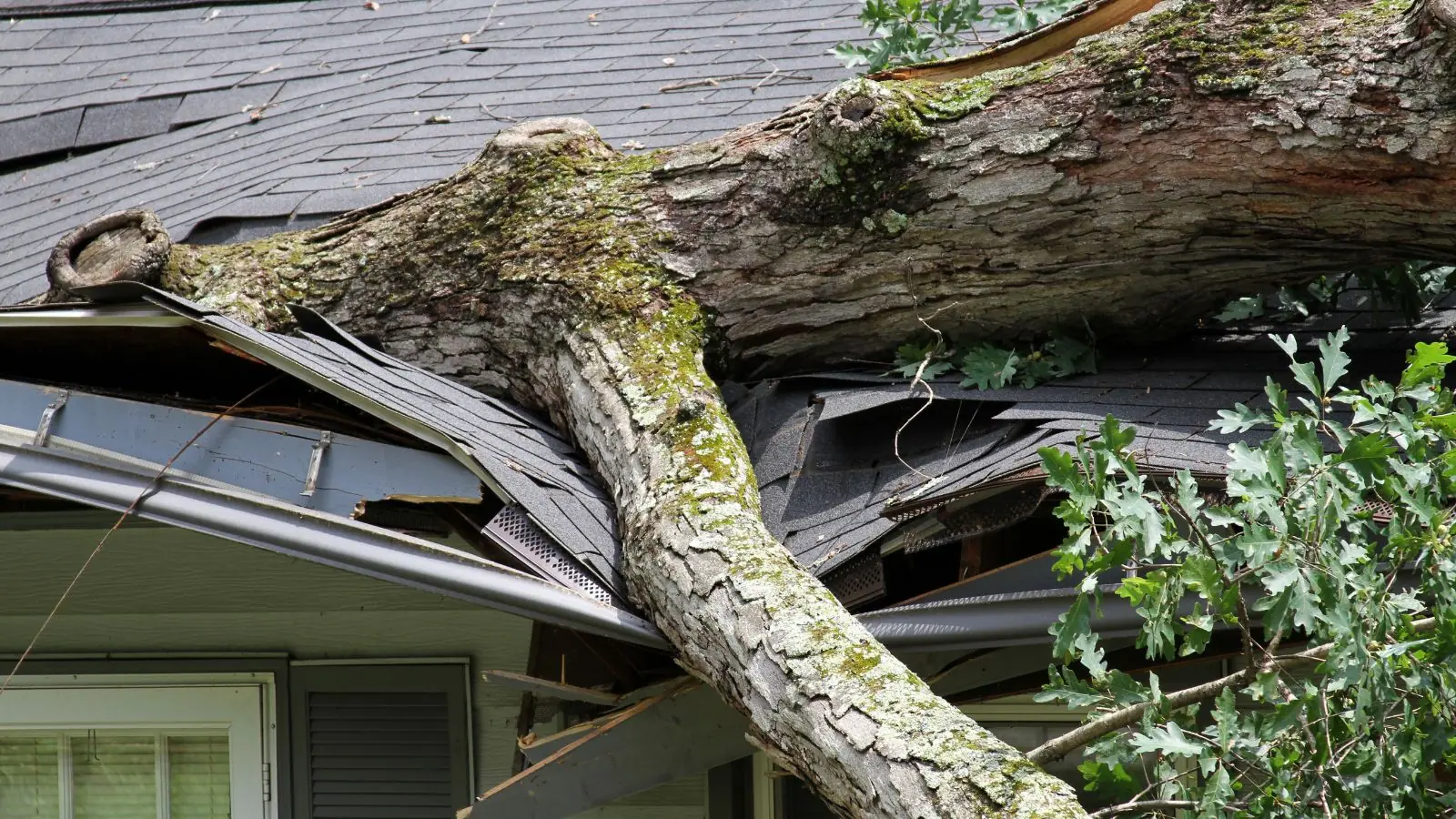
A tree limb that hit a window or siding can leave openings you cannot see from inside. Gutter overflow often appears as dark streaks on the wall just below the roof edge, and as wet drywall in the room behind it.
Stains that appear in the days after the storm can still be storm damage. Wall cavities hold water and release it slowly.
Storm Safety Right Now, While Water Is Coming In
Storm safety in the first hour
Storms bring hazards beyond water. Downed lines, broken glass and unstable limbs are all dangerous. Stay inside until the weather passes.
- If a power line is down or sparking, stay away and call 911 and your electric utility.
- If water touches outlets or the electrical panel, stay out. Cut power only if the panel is dry and you can reach it without stepping in water.
- If you smell gas, leave and call 911 and Washington Gas from outside. The Washington Gas leak line is 844-WASHGAS, option 1.
- Do not wade through basement water. Floating objects and live circuits are not visible.
- Take photos of damage before cleanup, including exterior damage if it is safe to look.
Hyattsville Storm History and Drainage
The city's own stormwater study, the Lower Ward 1 Resilient Stormwater Systems Study, says 41st Street experiences standing water during and after intense rain. It also notes that frequent downpours in 2018, the wettest year on record for the Washington, DC area, spurred multiple flood events.
The study used two storms to calibrate its model: August 2014, with 2.96 inches over about 5.5 hours, and July 2017, with 4.21 inches over about 15 hours. It says much of the storm drain system dates from 1960 to 1990. Older drains and inlets can clog or overload, so a basement near a low street can take water even if no river overflows.
The Prince George's County flood history page lists Tropical Storm Agnes in June 1972 as the county's storm of record, with Green Meadows in Hyattsville among the hardest hit areas. It also lists Hurricane Isabel in September 2003, with wind damage, outages and localized flooding.
Storm water inside your house?
Call the 24/7 line at (301) 936-0619 and tell the dispatcher where the water came in.
Where Storm Water Gets Into a House
Each route leaves a different pattern, and each has its own fix.
| Entry point | What you see | What crews check |
|---|---|---|
| Window and door frames | Wet trim, water on sills, bubbled paint | Moisture readings in the wall below and the floor edge |
| Overflowing gutters or downspouts | Streaks outside, wet wall or basement corner inside | Wall cavity and basement wall moisture |
| Yard grading and window wells | Water at basement windows or along one wall | Floor and wall base readings, carpet and pad |
| Sump pump failure | Pit overflowing, damp basement floor | Standing water depth, power to the pump and discharge path |
| Tree limb impact | Broken siding or glass, wet insulation | Open wall sections and temporary covers |
The city's resident brochure says sump pump water must not be directed onto a neighboring property or over the public right of way. Check where your discharge hose ends before the next storm.
Storm Damage Response in Four Steps
- 1
Describe the storm and the water
The dispatcher asks where water came in and whether any is still entering.
- 2
Crews are sent when available
The line answers at any hour. Same-day response is offered when available, and no arrival time is promised on the call.
- 3
Extraction and moisture mapping
Pumps and extraction units remove water. Moisture meters and a thermal imaging camera show what is wet behind surfaces.
- 4
Dry and document
Air movers and LGR dehumidifiers dry the structure, and crews log readings. ANSI/IICRC S500 is the published standard that guides this work, and you can ask any company whether its crews follow it.
What Changes the Size of a Storm Job
Wind-driven rain at one window
Scope: one wall and floor edgeWet trim and a small section of carpet or flooring.
Gutter overflow into a wall
Scope: a roomInsulation and drywall behind the overflow need drying or removal.
Basement seepage and sump failure
Scope: lower levelOutside water is often Category 2 or 3, which changes what can be saved.
Multiple entry points in one storm
Scope: several roomsMore area, more equipment and more days of drying.
Scope and price are explained before work starts.
Storm Claims and Your Policy
Insurance after a storm
The Maryland Insurance Administration says most homeowners policies do not cover flooding, and a standard homeowners policy almost never covers flood damage. Wind-driven rain, plumbing and flood are often treated differently, so check your policy and ask your insurer how your loss is classified.
Its After the Storm guide advises reporting damage to your producer or insurer as soon as possible, keeping a record of everyone you talk with, and being present when the adjuster visits to point out all damage. It also says to compare multiple contractor bids with the adjuster's report before settling.
Before the Next Storm
A few chores reduce the water that gets inside.
Prevention and mistakes
- Clear gutters and extend downspouts away from the foundation.
- Test the sump pump and check the discharge hose before heavy rain, and confirm it does not point at a neighbor's property.
- Check caulk and weatherstripping around windows and doors.
- Do not leave wet carpet or boxes in place. The EPA advises drying water-damaged areas and items within 24 to 48 hours to prevent mold growth.
- Check the FEMA flood map for your address at msc.fema.gov, and remember a flood policy through the NFIP generally has a 30-day waiting period.
Nearby Towns and Next Steps
Crews serve nearby towns, including Bladensburg and Riverdale Park. The city's study notes a Hyattsville-Riverdale levee system protects some areas from the 100-year flood, but a levee does nothing for a clogged downspout or a window that leaks in a gale.
When rooms are dry, water damage repair rebuilds what had to come out.
Storm damage questions from Hyattsville homeowners
Yes. The line at (301) 936-0619 is staffed 24/7, including nights, weekends and holidays. Same-day response is offered when available, and no arrival time is promised on the call.
Stay safe indoors until the storm passes, then call.
Not for insurance or for cleanup. Wind-driven rain, gutter overflow and leaks are storm damage. Rising water from a creek, groundwater or sewer is flood damage, and policies often treat it differently. Check your policy.
Heavy rain can overload street drains and saturate soil. The city's stormwater study says 41st Street has standing water during intense rain, and that much of the drain system dates from 1960 to 1990.
Call the line to start drying, and report the loss to your insurer as soon as possible. The Maryland Insurance Administration advises prompt reporting. Take photos before cleanup.
A roofer or glazier repairs the opening itself, and this line does not do roofing or glazing. Covering a small opening with plastic sheeting is something you can do only if it is safe to reach, and then call the line about the water inside.
Sometimes. Clean rainwater may dry in place if it is caught quickly, while water that came through soil or a drain may mean removal. Readings and the water category decide.