How Roof Leak Water Damage Starts
Roof leak water damage is the harm done to insulation, ceilings, walls and framing by water that gets past the roof covering. The roofer fixes the opening. The restoration crew handles the wet building materials left under it.
Call (301) 936-0619 if water is coming through now. The line runs 24/7, and crews respond the same day when available. Meanwhile, put a bucket or tub under drips and move furniture away from the wet spot.
Roofs fail where water changes direction: at flashing around chimneys and vents, along valleys, under lifted shingles and at skylights. A small gap can pass water for weeks before anyone looks up.
What the Stain on Your Ceiling Is Telling You
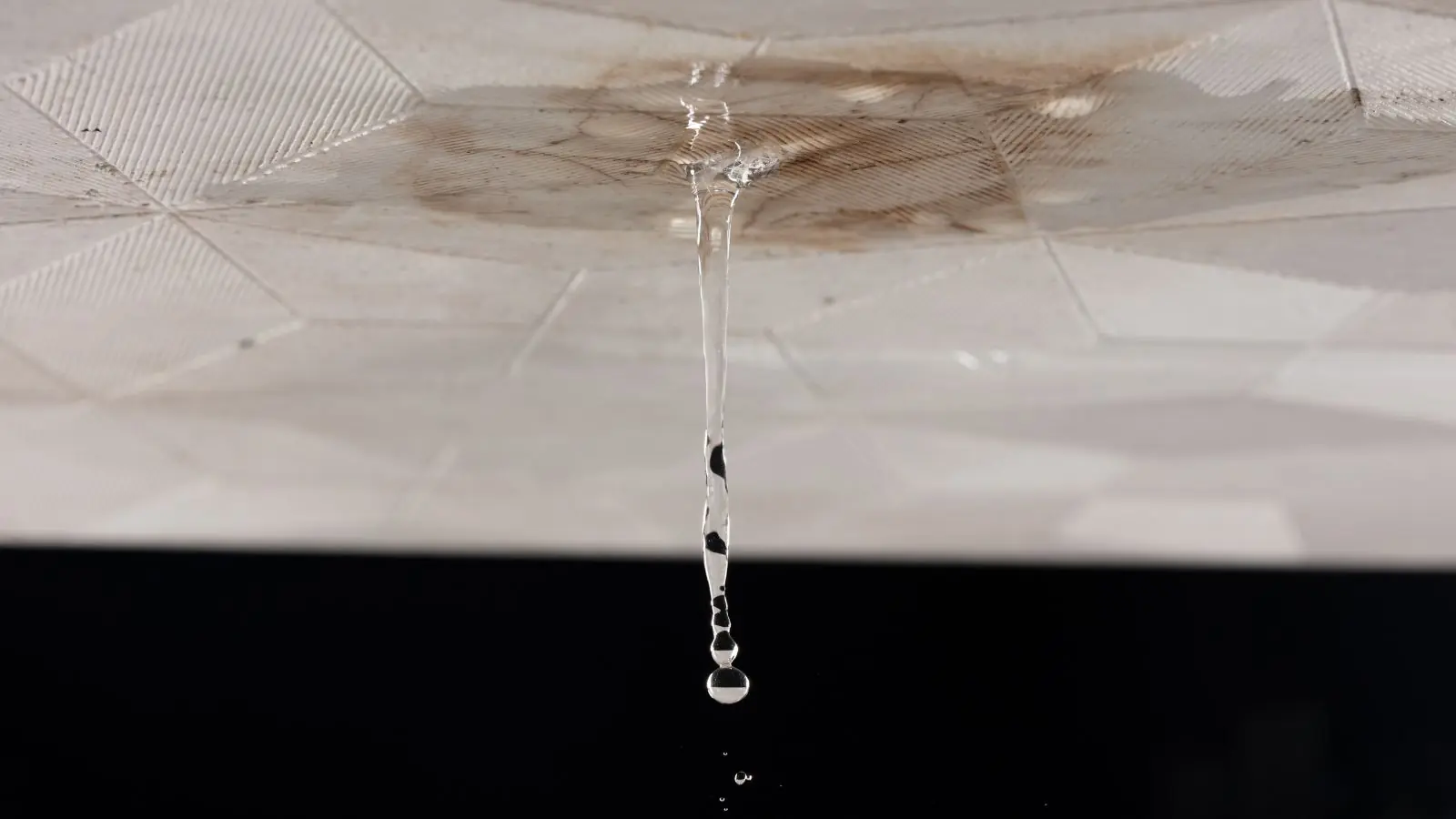
A brown ring on a ceiling is rarely where the roof leaks. Water travels along rafters, down a wall or across a ceiling board before it finds a place to show. The stain can sit several feet from the entry point.
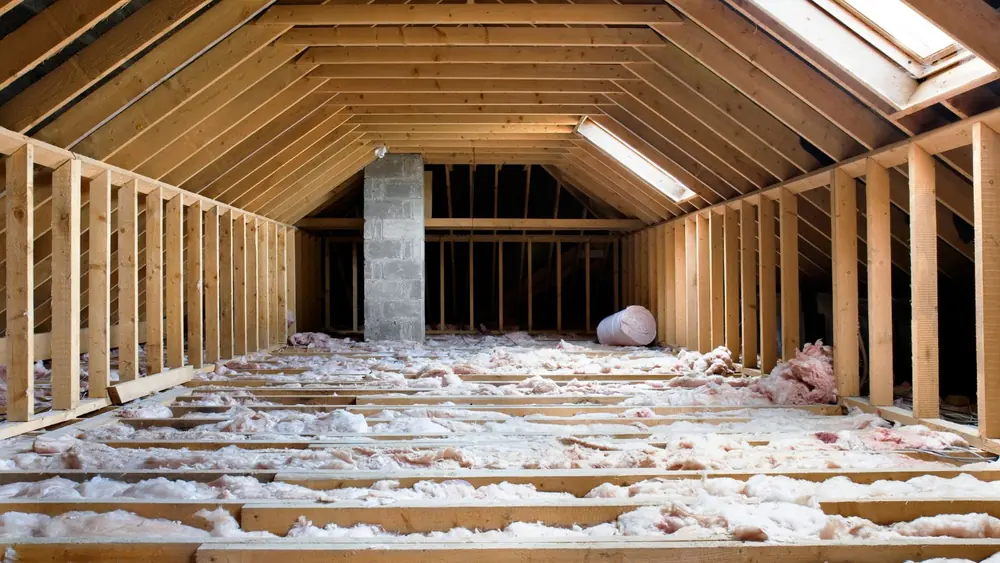
By the time you see color, the insulation above is usually wet and heavy. Wet insulation loses its ability to slow heat and can hold water against the drywall for days.
A bulge or sag in the ceiling means water is pooled on top of the board. Stay out from under it, because the water can come down all at once.
Roof Leak Safety Steps for the First Hour
Roof leak safety before anything else
Do not climb onto a wet or icy roof to look for the hole. Falls are the real danger. Water above a light fixture or ceiling fan can also carry electricity down into the room.
- If water drips from a light fixture or you see water around outlets, leave the light off and stay out. Cut power only if the panel is dry and safe to reach, and call 911 and your electric utility before you call the line.
- A sagging ceiling can fall without warning, so stay out from under it and keep children and pets out of the room.
- Move furniture, rugs and electronics, and cover what cannot move with plastic.
- Take photos of the ceiling, the attic if it is safe to enter, and the roof from the ground.
Where Water Gets In
Each entry point leaves a different pattern inside the house.
Flashing at chimneys and vents
Metal flashing seals the joint where the roof meets a chimney or pipe. When sealant ages or the metal lifts, water runs down the masonry or pipe into the ceiling below.
Shingles that lift or crack
Wind can lift shingles and age can crack them. Water gets under and soaks the roof deck, then drips through the attic floor.
Ice dams at the eaves
Snow melts on a warm roof and refreezes at the cold edge. The ice ridge holds water back until it backs up under shingles and runs into the wall below.
Valleys and skylights
Valleys collect water from two roof planes at once. A small defect there sends a lot of water into one spot.
Gutters that back up
Clogged gutters let water spill behind the fascia and into the soffit, leaving stains near the top of exterior walls.
Water coming through the ceiling?
Call the 24/7 line at (301) 936-0619 and describe where it shows.
Why Hyattsville Roofs Get Tested
NOAA's 1991 to 2020 normals from the nearest long-term station, Reagan National Airport, show 41.82 inches of precipitation a year and 13.70 inches of snow. That is plenty of weather for a flashing joint or a worn shingle to fail.
The city counts nearly 1,000 buildings in the Hyattsville Historic District, and the National Register entry says the town grew mainly after the 1870s. Older roofs often have many patches, penetrations and old flashing details, each one a place water can enter.
Crews also work in nearby towns such as College Park and Riverdale Park, where the same weather hits similar roofs.
Roof Leak Response Plan
Where the water went decides how the job is handled.
| Where it settles | What crews check | Typical method |
|---|---|---|
| Attic insulation | Moisture meter readings across the attic floor | Remove wet insulation, dry the framing with air movers |
| Ceiling drywall | Thermal imaging camera scan from below | Cut out sagging board, dry the cavity, then repair later |
| Wall cavity below | Readings at several heights, from outside walls in | Open at the base, dry with air movers and an LGR dehumidifier |
| Light fixtures and fans | Whether water is inside the fixture | Electrician checks before power is restored |
| Flooring below the leak | Subfloor and carpet pad readings | Extract, lift carpet or pad if needed, dry in place |
From Call to Dry Ceiling
- 1
You describe where it shows
The dispatcher asks about the stain, the drip and any sagging.
- 2
Crews are sent when available
The line answers at night and on weekends. Same-day response is offered when available, with no arrival time promised on the call.
- 3
Moisture mapping
Meters and a thermal imaging camera show how far water spread, which is often well past the visible stain.
- 4
Removal and drying
Wet insulation and sagging drywall come out. Air movers and dehumidifiers dry what remains. See water mitigation for the full drying stage.
What Changes the Cost of a Roof Leak Job
A small drip, caught fast
Scope: one ceiling patchA small amount of wet insulation and a stained ceiling section.
A slow leak over several rain events
Scope: a room and attic sectionWet insulation, damp framing and a larger ceiling area.
Leak running into wall cavities
Scope: ceiling plus wallsWater travels down into insulation, trim and flooring, so more materials need drying.
Storm opening in the roof
Scope: several roomsWind or a fallen limb opens a large area. Water falls on many rooms at once.
Scope and price are explained before work starts.
Roof Leaks and Your Homeowners Policy
What the Maryland Insurance Administration says about roofs
The Maryland Insurance Administration says policies generally cover sudden, accidental losses from perils such as wind and hail, but not maintenance. It also says damage from wear and tear or deterioration of a roof over time generally will not be paid for.
Some policies carry a separate wind, hail or hurricane deductible. Read the loss settlement section and ask your insurer what applies. The state also warns about unsolicited roof inspection offers, since some contractors misrepresent wear and tear as storm damage.
Mistakes and Prevention
Roof leaks reward quick action and punish guessing.
Do this, not that
- Do not ignore a stain that grows after each rain. Mark its edge with a pencil and note the date.
- Do not cover a wet ceiling with paint. Moisture stays trapped, and mold needs only water. The EPA advises drying water-damaged areas within 24 to 48 hours.
- Do not pay a roofer who offers to waive your deductible. The Maryland Insurance Administration says state law makes it illegal for contractors or roofers to offer to waive a deductible.
- Do clear gutters and check flashing in the fall, when leaves clog drains and the weather is still safe for a look.
- If the leak followed a big storm, storm water damage explains what else wind and rain may have reached.
After the Roof Is Sealed
Once the roof is repaired and the building is dry, water damage repair replaces insulation, drywall and paint. If the leak went on for weeks, a mold check belongs in the plan, and mold remediation follows ANSI/IICRC S520 when mold is found.
Roof leak questions from Hyattsville homeowners
Yes. The line at (301) 936-0619 is staffed 24/7, including nights, weekends and holidays. Same-day response is offered when available, and no arrival time is promised on the call.
The dispatcher will tell you what to do while you wait.
No. A roofer repairs the shingles, flashing or vents. The restoration crew dries and removes the wet materials inside. The two jobs support each other, because a dry house with an open roof gets wet again.
Water follows rafters, ceiling boards and wall cavities before it shows itself. The stain can be several feet from the entry point, which is why a thermal imaging camera and moisture meter are used.
It depends on the cause. The Maryland Insurance Administration says sudden, accidental losses from perils like wind and hail are generally covered, while wear and tear generally is not. Check your policy and ask your insurer.
Rarely. Wet insulation holds water against the framing and ceiling. Crews usually remove it and dry what is under it, because it can keep materials wet for days.
Do not chip at the ice with tools, which can damage shingles and cause falls. Call the line if water is already inside, and ask a roofer about the cause, since heat loss through the attic is a common one.