Do this first: stay out and make two calls
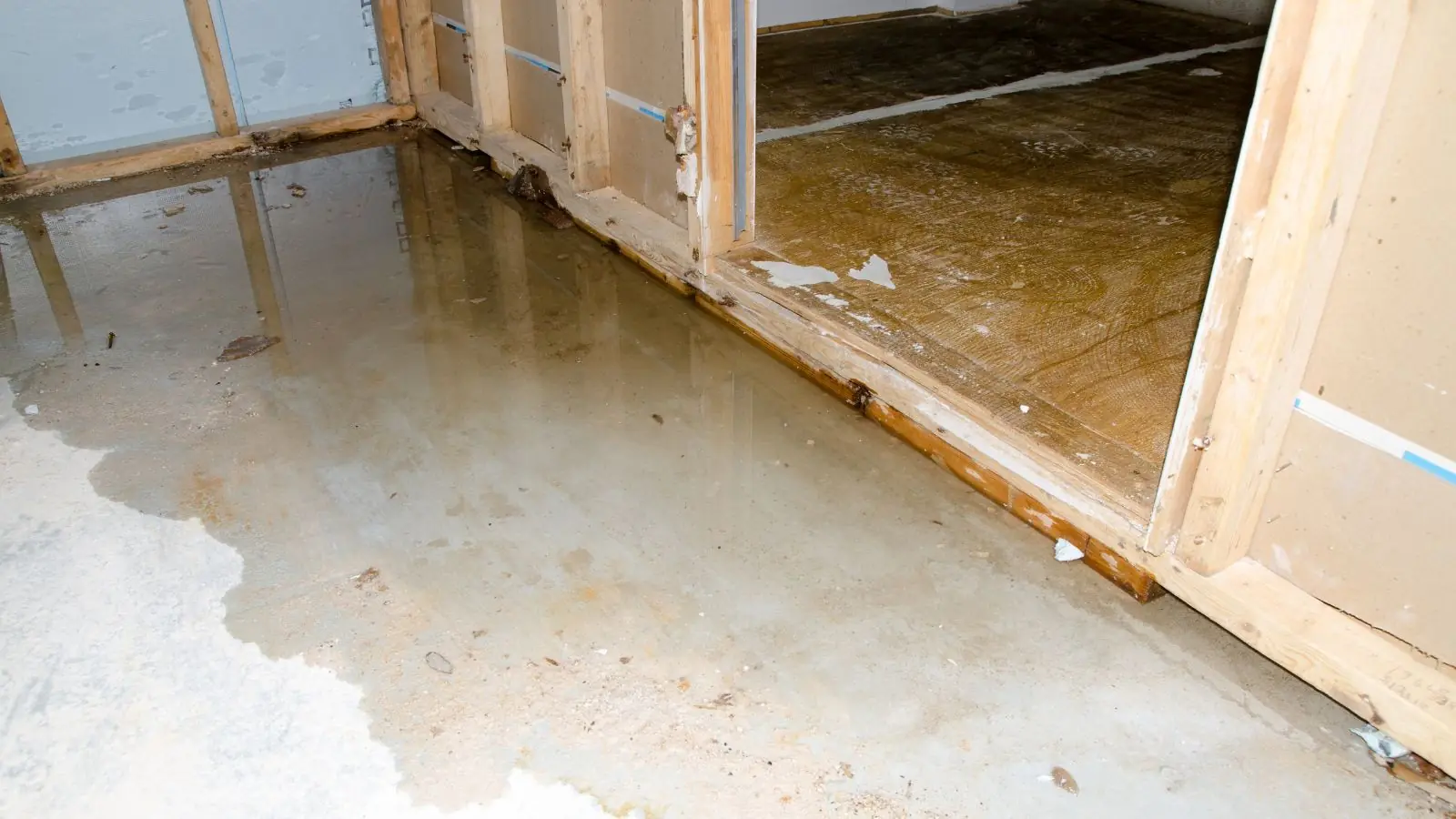
If sewage is coming up through a floor drain, toilet or basement fixture, keep people and pets out of the room and stop using water in the house. Flushing, laundry and showers all feed the same line and can push more waste into your basement.
Then call the WSSC Water 24-hour emergency line at 301-206-4002, which WSSC lists for a sewer backup into the home. WSSC also tells homeowners to call a WSSC-registered plumber first. The plumber finds where the blockage is, and that answer decides who is responsible for clearing it.
Restoration is the third call, not the first. The line at (301) 936-0619 can start cleanup while the pipe question gets sorted out.
A decision table: where is the blockage, and who goes first?
Where the stoppage sits decides who clears it. Use this table as a starting point, and let the plumber confirm.
| Where the problem sits | Who clears it | Call first |
|---|---|---|
| Inside the house, such as a fixture trap or branch drain | The homeowner, through a plumber | A WSSC-registered plumber |
| The line from your building to the property line | The homeowner maintains this section | A WSSC-registered plumber, who finds the blockage |
| WSSC's main in the street | WSSC clears it at no charge, after the plumber confirms the location | WSSC's 24-hour line, with the plumber's finding |
| Unknown location | Depends on what the plumber finds | A WSSC-registered plumber, then WSSC |
| Sewage already on the floor, any cause | A restoration crew handles cleanup separately | The restoration line, in parallel with the pipe repair |
Digging or repairing underground sewer pipes is limited to a registered WSSC master plumber, working with a WSSC permit and inspection.
Sewage already on the floor?
Call (301) 936-0619 for the 24/7 line while you wait on the plumber.
Why this is not a mop-and-bucket job
The CDC says floodwater can contain dangerous bacteria from overflowing sewage, and the same caution applies when a sewer line backs up into a home. The EPA says to bring in a professional who has experience with buildings damaged by contaminated water.
In the water category system described in the ANSI/IICRC S500 standard, sewage falls in Category 3, which means grossly contaminated. That label changes the work. Materials that soak up the water are generally removed, not dried, and hard surfaces are cleaned and sanitized.
Do not use bleach in a closed space, and never mix bleach with ammonia or other cleansers. The CDC gives both warnings. The EPA also says bleach is not recommended as a routine practice during mold cleanup.
What a restoration crew actually does
- 1
Contain the area
Plastic sheeting and zippered doors keep dirty air and dust away from the clean parts of the house.
- 2
Extract and remove
Extraction units pull out standing water. Carpet, pad, soaked drywall and stored cardboard are cut out and bagged.
- 3
Clean and sanitize
Concrete, framing and other surfaces that remain are cleaned, then treated with an antimicrobial product.
- 4
Dry and verify
Air movers and dehumidifiers dry the structure. Moisture meters confirm it, and HEPA air scrubbers can run to clean the air during demolition.
Hyattsville, MD: what WSSC Water says about responsibility
WSSC Water's website says it serves Prince George's and Montgomery counties, and lists 301-206-4002 as its 24-hour emergency line for a water main break or a sewer backup into the home. The city's own Who Do I Call guide lists the same utility contact for Hyattsville residents.
According to WSSC, who is responsible for a backup depends on where it starts. The homeowner maintains the line from the property line to the building, and WSSC maintains its main. If the blockage is in WSSC's section, WSSC clears it at no charge, but the homeowner pays the plumber first. WSSC also has a claims office that handles possible reimbursement requests.
Insurance questions to ask early
The Maryland Insurance Administration says sewer or water backup is an optional endorsement that insurers must offer, and that many policies will not cover the cost to repair or replace the pipe or drain itself. That means cleanup of the damage and repair of the pipe can fall under different rules, if either is covered at all.
Check your policy and ask your insurer whether you have a backup endorsement. Renters should know that the MIA says a renters policy covers your belongings, not the building. Photograph the damage before cleanup and keep a record of every call, including the WSSC call and the plumber's findings.
While you wait for the plumber and the crew
The hours between the backup and the cleanup are when small choices matter most.
- Stop using toilets, sinks, showers and the washing machine, since every fixture feeds the same line.
- Keep children, pets and anyone with an open cut away from the room, and wear waterproof boots and gloves if you must enter.
- Take photos and short videos of the water line, the drain and affected belongings before anything is moved.
- Do not run the HVAC system if the air handler or ducts sit in or near the wet area, since it can spread dirty air.
- Write down the time you called WSSC, the plumber and your insurer, and what each one told you.
- Leave stored items alone unless you can lift them out safely, because wet cardboard and fabric usually cannot be saved.
What this does not fix
Cleanup and drying deal with the damage, but they do not repair the pipe. If a root intrusion, a collapsed section or a bad joint caused the backup, it can happen again until the pipe is fixed by a registered plumber.
Restoration is also not waterproofing. A crew can dry and sanitize your basement, but it cannot stop sewage from backing up if the line is still blocked.
Help in the towns around Hyattsville
The 24/7 line also covers nearby towns such as Bladensburg and College Park, so you can call it whichever side of the line you live on.
For the cleanup itself, flood damage restoration covers contaminated-water jobs, and emergency water removal handles the stage where water is still on the floor. Scope and price are explained before work starts.
Frequently asked questions
WSSC Water's 24-hour line is 301-206-4002 for a sewer backup into the home. WSSC also advises calling a WSSC-registered plumber first to find the blockage.
It depends. The homeowner maintains the line from the property line to the building, and WSSC maintains its main. WSSC clears a blockage in its section at no charge, but the homeowner pays the plumber first.
A small, contained spill on a hard surface is one thing. Anything that reached carpet, drywall or stored items involves contaminated water that the EPA says calls for a professional with relevant experience.
Sewer or water backup is an optional endorsement in Maryland, so check your policy. Many policies will not cover the pipe or drain itself.
WSSC says only a registered WSSC master plumber may dig or repair underground sewer pipes, with a WSSC permit and inspection.